
Meta Description: Learn what CBCT scans are, how they differ from traditional X-rays, and why your dentist may recommend one for a more accurate diagnosis.
Introduction
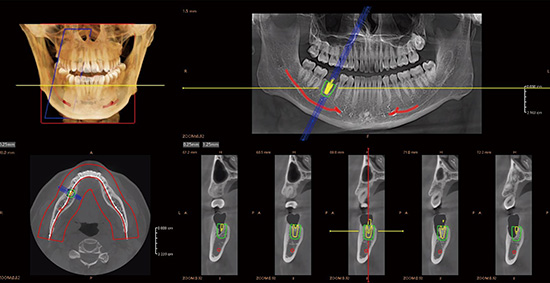
If your dentist has suggested a CBCT scan, you might be wondering what it is and why it’s necessary. Cone Beam Computed Tomography (CBCT) is a modern imaging technology that provides a 3D view of your teeth, jaw, and surrounding structures. It gives your dentist far more information than a standard 2D X-ray, helping them make more accurate diagnoses and treatment plans.
1. What is CBCT?
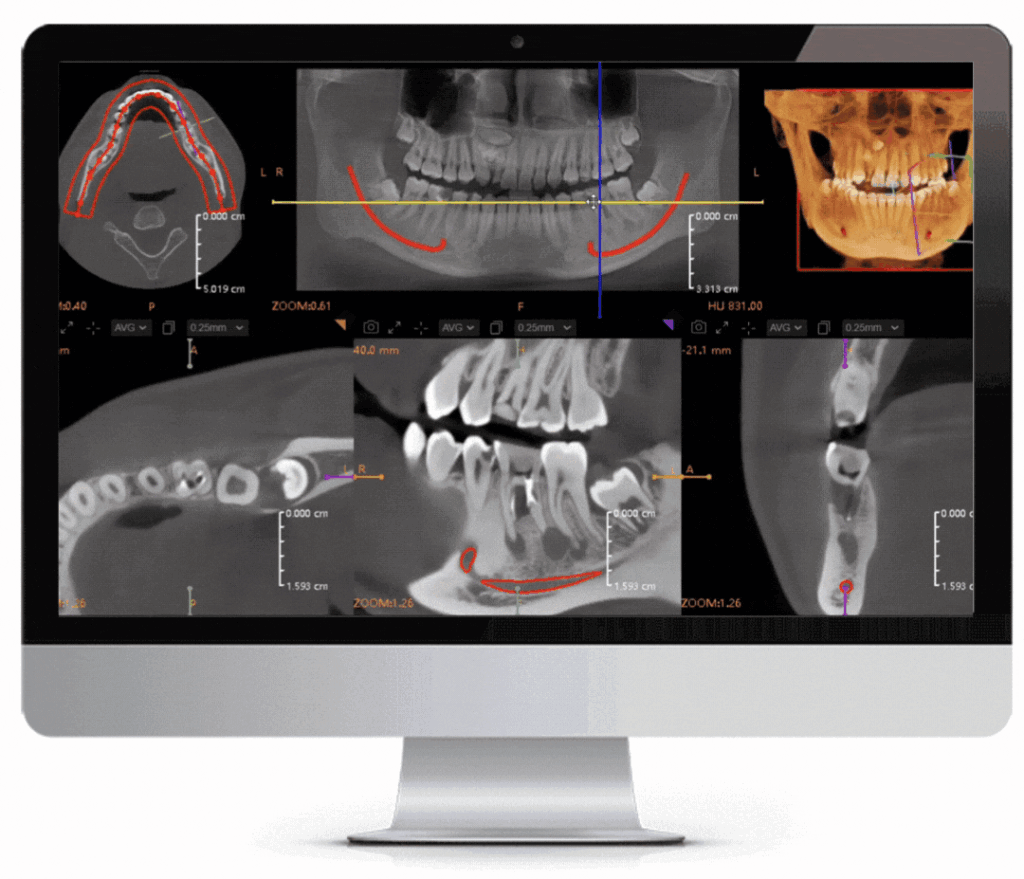
CBCT stands for Cone Beam Computed Tomography. It’s a specialized type of X-ray equipment used when regular dental or facial X-rays aren’t sufficient. This technology uses a cone-shaped X-ray beam to create detailed 3D images of dental structures, soft tissues, nerve paths, and bone in a single scan.
2. How is it different from traditional X-rays?
Traditional dental X-rays only provide a 2D image, which can limit the dentist’s ability to see the full picture. CBCT provides three-dimensional imaging, revealing depth and layers that help detect issues not visible in standard X-rays. This is especially useful for planning dental implants, assessing impacted teeth, and diagnosing jaw disorders.
3. When Might a Dentist Recommend CBCT?
Your dentist might suggest a CBCT scan for several reasons:
– Planning for dental implants
– Evaluating jaw tumors or cysts
– Diagnosing complex root canal issues
– Checking bone structure and quality
– Assessing temporomandibular joint (TMJ) disorders
4. Is it Safe?
Yes, CBCT is considered safe. It does involve a higher dose of radiation than a regular X-ray, but it’s still relatively low and is used only when necessary. The detailed information it provides often outweighs the minimal risk, especially for complex dental needs.
Conclusion
CBCT scans provide dentists with a much clearer view of your oral structures, leading to more accurate diagnoses and effective treatments. If your dentist recommends one, it’s because they want to ensure the best possible care for your specific condition.
Curious about whether you need a CBCT scan? Contact our imaging center today for more information or to schedule a consultation.